Walk into almost any gym and you will hear some version of the same question: “Which supplement should I take to build muscle faster?” Whey protein, creatine, a mass gainer, pre-workout, amino acids—the choices seem endless, and every tub promises a little more than the last.
A better question comes first: what, exactly, is holding your progress back? Are you struggling to get enough protein from meals? Eating enough to gain weight? Getting consistent strength work done? Or are you simply hoping a supplement will make up for an inconsistent routine?
Those are different problems, and they call for different answers. Protein powder can help fill a protein gap. A mass gainer can make a calorie surplus easier to achieve. Creatine monohydrate has a strong research record for high-intensity exercise and strength-training adaptations. A pre-workout is a different proposition altogether, particularly when stimulants are involved.
This guide looks at the science behind these categories, explains what to look for on a label, and explores selected C9 Nutrition supplements available at 91Servings. The goal is not to build the biggest supplement stack. It is to make better-informed choices.
Before buying a supplement, get clear on the basics
Muscle growth is an adaptation to training. Resistance exercise supplies the stimulus; food provides energy and amino acids; and recovery gives the body time to adapt. Supplements may support parts of that process, but they do not replace it.
For someone who trains regularly, three checks are worth making before spending money:
Training: Are your exercises, technique and training loads progressing over time?
Food: Are you consistently eating enough energy and protein for your goal?
Recovery: Are sleep, rest days and hydration reasonably consistent?
It is tempting to buy a product because a workout feels difficult or progress appears slow. But low energy intake, insufficient protein, poor sleep and an inconsistent training plan can all be relevant. The right supplement decision starts with identifying which issue actually exists.
Whey protein: a convenient way to fill a protein gap
Protein is not just a gym nutrient. The body uses amino acids from dietary protein to build and maintain tissues, including muscle. Resistance training increases the body's muscle-building response, and an adequate daily protein intake helps support that response.
The International Society of Sports Nutrition's position stand reports that an overall daily intake of around 1.4–2.0 grams of protein per kilogram of body weight is sufficient for most healthy, exercising adults. Needs vary with training, energy intake, age, body composition goals and individual circumstances, so this range is a reference—not a universal prescription.
For illustration, a 70 kg adult using that range would calculate approximately 98–140 g of protein across the day. The useful next step is to estimate how much is already coming from meals before deciding whether a supplement is needed.
Indian meals can contribute meaningfully. Eggs, milk, curd, paneer, fish, chicken, soy foods, dal, beans and other pulses can all play a role. The exact amount depends on the food and portion; a bowl of dal, for example, should not automatically be counted as equivalent to a high-protein serving of dairy, eggs or meat.
Whey protein is useful when ordinary meals do not conveniently cover the gap. It is derived from milk and provides all nine essential amino acids. It is not mandatory for muscle growth, and it does not become ineffective because it was not consumed within a narrow post-workout window. The more useful question is whether it helps you reach your overall protein needs consistently.
C9 Nutrition Premium 100% Whey Protein
The current product listing describes a whey concentrate and isolate blend and reports 24 g of protein per approximately 32 g serving. Compare protein per serving, serving size, ingredients, allergens and the price per gram of protein rather than judging a product by its name alone.
Whey concentrate vs whey isolate: which one makes sense?
Concentrate and isolate are both forms of whey protein, but they are not identical. Whey protein isolate undergoes additional processing and typically has a higher protein proportion, with less lactose and fat than many concentrate products. The precise difference depends on the product and its full formulation.
That does not automatically make isolate the better purchase for every person. If a concentrate-and-isolate blend supplies enough protein, fits your digestion and sits comfortably within your budget, paying more for an isolate may not improve your results in a meaningful way.
Isolate may be worth comparing when you are tracking calories closely or prefer a product with a lower lactose content. Anyone with a milk allergy should not assume that whey isolate is safe; it remains milk-derived. People with lactose intolerance may tolerate some whey products better than others, but tolerance varies.
C9 Nutrition Premium ISO Zero Whey Isolate
The listing reports 26 g of protein per approximately 30 g serving and lists zero fat and zero sugar. Check the live nutrition panel and the physical pack for the variant you plan to buy; formulations and labels can change.
Mass gainers: when extra calories—not another scoop of protein—are the issue
A mass gainer solves a different problem from a standard whey powder. It is designed to provide more energy in a convenient serving, usually through a combination of carbohydrates and protein. That can be useful for someone who needs to gain body weight but finds it difficult to eat enough across the day.
However, a mass gainer is not a shortcut to muscle alone. When intake exceeds energy needs, some weight gain may come from body fat as well as lean tissue. The outcome depends on the size of the surplus, training, genetics and other individual factors. An aggressive calorie surplus does not guarantee faster muscle growth.
Before buying one, track your usual meals and body-weight trend for a couple of weeks. If weight is not moving and the goal is to gain, consider whether a modest increase in food would be easier to manage. Milk or curd, oats, bananas, rice, potatoes, nuts and nut butters may all help increase energy intake, depending on dietary preferences and tolerance.
A mass gainer becomes more attractive when meal preparation, appetite, work schedules or frequent travel make that approach difficult. It is still important to measure the portion you actually need rather than assume the largest recommended serving is automatically right for you.
C9 Nutrition Muscle Mass Gainer
This product is positioned for people who need help increasing calorie intake. Before deciding on serving size, verify the current nutrition panel and serving instructions on the physical pack. The live product page currently contains nutrition figures that appear inconsistent with its stated serving size, so those values should be corrected and confirmed before publication or purchase.
Creatine: one of the best-studied supplements for high-intensity training
Creatine is not a stimulant, and it is not a protein. It is a compound the body makes and also obtains from food. In muscle, creatine helps support the rapid regeneration of ATP, the energy currency used during short, intense efforts. Increasing muscle creatine stores can improve performance in activities involving repeated high-intensity work and can support training adaptations over time.
Among sports supplements, creatine monohydrate has a particularly strong evidence base. The ISSN position stand identifies it as an effective option for improving high-intensity exercise capacity and lean body mass when used alongside training. More expensive creatine forms are not automatically more effective simply because their names sound more advanced.
Research commonly uses a daily maintenance intake in the region of 3–5 g for healthy adults. A loading phase is not essential; taking a smaller daily amount consistently can also increase muscle stores over time. Follow the current product label and seek medical advice first if you have kidney disease, a relevant medical condition or take medicines that could affect kidney function.
One detail often misunderstood: the scale may rise when starting creatine because muscle water content can increase. That initial change is not the same thing as gaining body fat. Creatine is also not a replacement for adequate food, progressive resistance training or sleep.
C9 Nutrition Pure Micronized Creatine Monohydrate
The listing describes a micronized creatine monohydrate formula and reports a 3 g serving. Micronization may help with how a powder mixes; the important question for the evidence is still whether the product supplies the intended amount of creatine monohydrate.
Pre-workout: energy is useful only when the formula and dose make sense
Pre-workout products are usually designed for convenience: they may combine caffeine with ingredients intended to support focus, training performance or muscular endurance. Whether such a product is useful depends on the formula, the amount of each ingredient, personal sensitivity and what you have already consumed that day.
Caffeine has evidence for improving some forms of exercise performance, but responses vary. More is not always better, and research doses should not be treated as a personal recommendation. Coffee, tea, energy drinks, fat burners and other supplements may all contribute to total caffeine intake.
A sensible label review looks at the actual caffeine amount per serving, the serving size, other stimulants, ingredient quantities and warnings—not just phrases such as “extreme energy” or “maximum focus.” People who are sensitive to caffeine, experience palpitations or anxiety, have relevant medical conditions, use certain medicines, are pregnant or are breastfeeding should obtain appropriate professional advice before using stimulant-based products.
Important product-label check
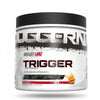
The current online listing for C9 Nutrition Brutal Pre-Workout states 1,000 mg of caffeine per full serving. That amount is far above the range commonly studied for exercise performance and requires verification against the manufacturer's current label before the product is promoted or used. Do not treat the online figure as a dosing recommendation; the listing should be corrected if it is inaccurate.
Pre-workout is optional. A suitable meal, adequate fluid intake, a sensible training plan and enough sleep are still the foundations. A stimulant cannot compensate for chronic sleep deprivation, and a product that makes you feel more alert does not automatically mean it improves every aspect of a workout.
BCAAs and EAAs: understanding what the amino-acid label really means
Amino acids are the building blocks of protein. The three branched-chain amino acids—leucine, isoleucine and valine—are essential amino acids, meaning they must come from the diet. The term EAA refers to the full group of nine essential amino acids.
That distinction matters. BCAAs alone do not provide all nine essential amino acids needed to build new muscle protein. Research reviews find that BCAAs can influence muscle-protein signalling, but their effect on muscle protein synthesis is smaller than that of a complete protein source containing all essential amino acids.
If your daily protein intake is already adequate and your meals contain high-quality protein, a separate amino-acid drink may not be a priority. If your protein intake is low, improving complete protein intake is generally the more fundamental step. Intra-workout drinks can also be convenient for taste or fluid intake, but that does not make them essential for every training session.
C9 Nutrition BCAA-EAA Powder
The listing describes a formula with BCAAs and all nine essential amino acids. Compare the serving size and the stated amount of each amino-acid blend, and decide whether it adds something you are not already getting through food or a complete protein supplement.
Combination formulas: convenience is not the same as extra evidence
Some products combine protein with other ingredients, such as creatine or glutamine. That can be convenient if you prefer fewer separate tubs. But a longer ingredient list does not automatically mean a product produces greater gains than a simpler formula.
Start by asking three questions. How much complete protein does the serving provide? Are the added ingredients present in amounts that match the purpose of the formula? And would taking the product alongside your other supplements cause you to duplicate ingredients unnecessarily?
Glutamine is a useful example of why evidence matters. It plays important roles in the body, but that biological fact does not prove that extra glutamine improves muscle growth or athletic performance in healthy people. A systematic review and meta-analysis found no clear benefit for most of the athletic performance, body-composition and immune outcomes it assessed.
This does not mean that every combination formula is a poor choice. It means each claim should be considered separately. Protein can help meet protein needs; creatine has its own evidence base; and the presence of glutamine should not be treated as proof of faster recovery.
C9 Nutrition Nitro Pro Whey Protein
The current listing presents Nitro Pro as a combination formula and reports 30 g of protein, 3 g of creatine monohydrate and 4.8 g of L-glutamine per 40 g serving. Check the current pack label to confirm those amounts. Anyone already taking a separate creatine product should count the creatine in this formula as part of their total rather than automatically adding another serving.
A practical way to choose the right supplement for your goal
You do not need every category in this guide. Start with the outcome you are trying to support, then compare products against that specific need.
Your main concern
What to assess first
Supplement category to consider
Protein intake is consistently below target
Protein from meals, portions, dietary preferences and daily routine
Whey protein or whey isolate, if convenient
Body weight is not increasing despite trying to gain
Total calorie intake and body-weight trend over time
A mass gainer, if additional food is hard to manage
You want support for repeated high-intensity efforts
Training quality, consistency and whether creatine is appropriate for you
Creatine monohydrate
You feel underprepared for training
Sleep, food timing, hydration, total caffeine and stimulant tolerance
Pre-workout is optional; check every ingredient and dose
You are considering BCAA, EAA or glutamine
Whether daily protein is adequate and what the specific formula adds
Usually a lower priority when complete protein intake is already sufficient
Whatever your goal, compare products using the complete label rather than marketing language. Look at the serving size, amount of active ingredient, ingredient list, allergens, directions, warnings, batch and expiry details. Check authenticity and buy through a source you trust.
For more options, browse the C9 Nutrition collection at 91Servings. Compare products on their stated formulation and intended use rather than assuming that a larger number of ingredients means a better result.
Frequently asked questions
Do beginners need whey protein?
No. Beginners can build muscle without protein powder if they get enough protein from meals. Whey is simply a convenient option when food alone does not meet their needs consistently.
Is whey protein better than food?
Not inherently. Both can contribute protein. Whole foods also provide nutrients that a protein powder may not, while powder can be easier to carry, prepare and measure. The useful choice depends on your routine and overall diet.
Should creatine be taken only after a workout?
The main aim of regular creatine supplementation is to increase and maintain muscle creatine stores. Consistency matters more than finding a supposedly perfect minute to take it. Follow the product's directions and seek professional advice if you have a relevant health condition.
Can whey protein, creatine and a mass gainer be taken together?
There is no universal stack that suits everyone. Check the nutrition and ingredient labels first. A mass gainer may already supply protein, and some combination products contain creatine. Count the ingredients across all products, and avoid duplicating doses without understanding your total intake.
Are BCAA and EAA supplements necessary if I already take whey protein?
Not necessarily. Whey supplies all essential amino acids. If total protein intake is sufficient, adding a separate amino-acid product may offer limited additional value. The answer depends on your full diet, training demands and the product's actual formulation.
Does a supplement replace a balanced diet or good training?
No. Supplements are intended to complement the diet. They cannot make up for a consistently inadequate food intake, poorly structured training or insufficient recovery.
The takeaway: build your routine before you build your stack
The most useful supplement is not necessarily the newest one or the one with the most impressive label. It is the one that addresses a genuine need in a well-planned routine—and whose ingredients, amounts and limitations you understand.
Start with consistent training, enough food, sufficient protein and recovery. Consider whey when it makes protein intake easier, a mass gainer when additional calories are genuinely needed, and creatine monohydrate when it suits your training and health circumstances. Treat stimulant-based pre-workouts and multi-ingredient formulas with particular care, and verify unclear product-label information before use.
That is a better foundation for progress than buying everything at once. Explore the C9 Nutrition range at 91Servings with your specific goal in mind.
References and further reading
Jäger R. et al. International Society of Sports Nutrition Position Stand: Protein and Exercise.Read the research ↗
Kreider R. B. et al. International Society of Sports Nutrition Position Stand: Safety and Efficacy of Creatine Supplementation in Exercise, Sport, and Medicine.Read the research ↗
U.S. National Institutes of Health, Office of Dietary Supplements. Dietary Supplements for Exercise and Athletic Performance.Read the evidence review ↗
Guest N. S. et al. International Society of Sports Nutrition Position Stand: Caffeine and Exercise Performance.Read the research ↗
The Effects of Branched-Chain Amino Acids on Muscle Protein Synthesis, Muscle Protein Breakdown and Associated Molecular Signalling Responses in Humans: An Update.Read the review ↗
The Effect of Glutamine Supplementation on Athletic Performance, Body Composition, and Immune Function: A Systematic Review and Meta-analysis.Read the review ↗
Is an Energy Surplus Required to Maximize Skeletal Muscle Hypertrophy Associated With Resistance Training?Read the review ↗
This article is for general educational purposes and is not individual medical or nutrition advice. Supplement suitability depends on personal health, diet, training and medication use. Check the current product packaging and consult a qualified healthcare professional when appropriate.






Leave a comment